Illegal Repossession: When Is a Car Repo Against the Law?
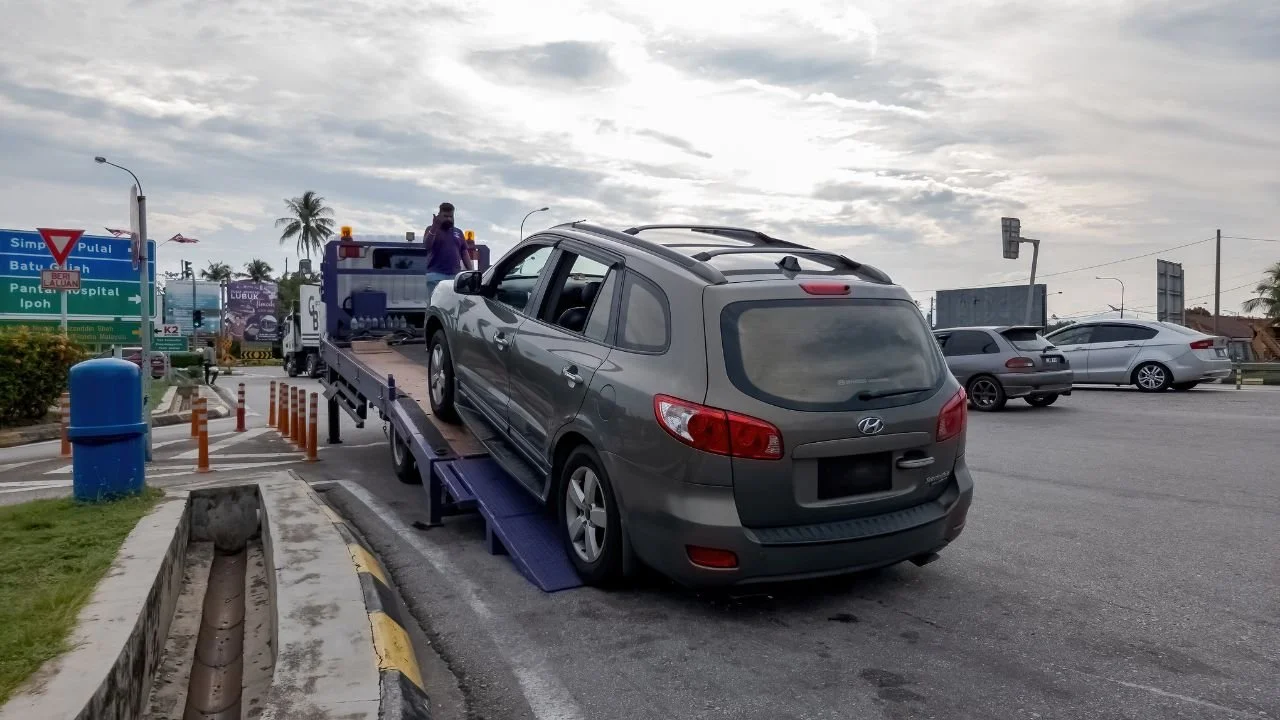
If your vehicle was taken and something about it felt aggressive, forced, or simply wrong, you may be dealing with an illegal repossession. While lenders can repossess a car after default, there are limits on how and when they can do it. In some situations, a wrongful car repossession may violate the law.
This guide explains what makes a repossession illegal, whether a car can be repossessed without notice, and what options may be available if your rights were violated.
What is an Illegal Repossession?
A repossession can be illegal when a lender or its repo company takes your car without the legal right to do so. It is true that your loan agreement likely gives the lender the right to repossess the vehicle if you go into default.
But that contractual right has limits under federal law, specifically the Fair Debt Collection Practices Act, or FDCPA. The FDCPA prohibits companies from taking or threatening to take action to repossess property unless it has the present right to do so.
The key issue in many cases is what “present right” really means. The answer depends on the facts and, in some situations, how courts in a particular jurisdiction interpret the law. Still, federal courts have provided some general guidance.
Broadly speaking, repossession cases tend to fall into two categories.
The first category includes situations where most courts would agree the company likely did not have a present right to repossess. For example:
You were not actually in default.
The default had already been cured.
The repo company took the wrong car.
In those scenarios, common sense and federal law often point in the same direction. If there was no legal right to take the vehicle, the FDCPA may have been violated.
The second category includes breach of the peace cases. These are more nuanced. A breach of the peace may involve force, confrontation, or improper entry onto property.
The first challenge is proving that a breach of the peace actually occurred. The second is whether that breach eliminated the company’s present right to possession and therefore resulted in a violation of the FDCPA.
Courts are not uniform on this issue. In some jurisdictions, a serious breach of the peace can eliminate the repossessor’s present right to possession. In others, courts treat it as a state law issue rather than a federal FDCPA violation. These cases are therefore highly fact specific and often more contested than situations where there was clearly no right to repossess at all.
It is also important to understand that the FDCPA does not require the repossession to actually occur. A threat to repossess can also rise to a violation if the company never had the right to repossess your car.
Can They Repossess a Car Without Notice?
There is no provision in the FDCPA that requires a lender to give advance notice before repossessing a vehicle. Federal law generally does not require warning before a lawful repossession occurs.
However, state-specific laws may apply in your jurisdiction. Some states require what is called a “right to cure” notice before a vehicle can be repossessed. That notice typically gives the borrower a set number of days to catch up on payments before repossession is permitted.
Because these rules vary by state, it is important to review your loan agreement and the consumer credit laws in your state to determine whether advance notice was required in your situation.
Wrongful Repossession Settlement: What Compensation May be Available?
If a repossession violated the FDCPA, a consumer may be entitled to the following categories of damages:
Actual damages, including financial losses caused by the repossession
Emotional distress damages in appropriate cases
Statutory damages of up to $1,000
Attorney’s fees and costs that courts may award
It is also important to consider the impact on your credit. If your car was wrongfully repossessed, review your credit reports to make sure there are no inaccurate repossessions reported. Incorrect reporting may create separate legal issues under federal credit reporting laws.
In addition to potential federal remedies, state law may provide additional categories of damages depending on the facts, such as claims related to improper conduct during the repossession itself.

What to do if the Wrong Car Was Repossessed
As discussed above, if the wrong car was repossessed, the company likely did not have a present right to possession. In many cases, that makes it a strong FDCPA violation.
When a vehicle that does not secure a debt is taken, the legal issue is often straightforward: the lender had no right to repossess that car at all. That can expose the company to federal liability and potential damages.
If this happened to you, preserve any records related to the repossession. Keep documentation showing ownership of the vehicle, any communications you received, and evidence of financial or emotional harm caused by the incident.
Mistaken repossessions are often among the clearer types of illegal repossession cases because the lack of legal authority is easier to demonstrate.
Take Action if Your Car Was Repossessed Unlawfully
If your vehicle was taken and the lender did not have a present right to possession, you may have a claim under the FDCPA.
To determine whether you have a viable case, contact Reznik Consumer Law to discuss your situation. I can review the facts and advise you on your legal options.