What to do if a Debt Collector Threatens You With a 1099
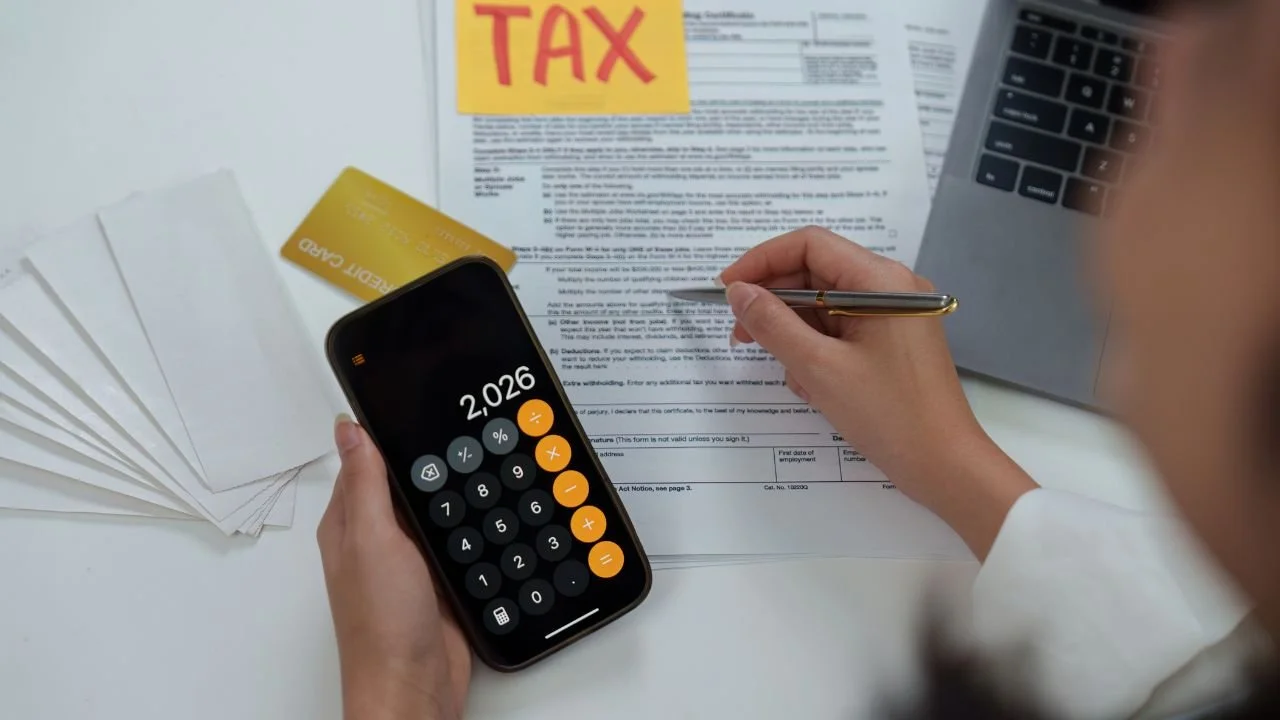
Debt collectors are always finding new ways to intimidate consumers, and a recent tactic is threatening them with a 1099. Mentioning the IRS and potential tax consequences is a reliable way to create panic and pressure quick payment.
This article focuses on how debt collectors use 1099 threats in their communications, when those threats can cross the line, and what to do if a collector tries to pressure you by invoking tax consequences.
Can a Debt Collector Threaten You With a 1099?
A debt collector threatening you with a 1099 is not the same thing as a creditor legitimately issuing one. A 1099-C is a tax reporting form. It allows a creditor to remove a debt from its books and possibly obtain a tax advantage.
A 1099-C is not designed to be a collection tool and is not meant to be used as leverage to pressure payment. It is a mechanism creditors use for tax and accounting purposes, often to reduce their tax liability.
If you are delinquent on a debt, a creditor may have the right to cancel the debt and issue a 1099-C. And there is no law that prohibits a creditor or a debt collector acting on their behalf from telling you this.
What collectors cannot do is use the possible issuance of a 1099 in a misleading or deceptive way. They cannot create fear, imply automatic tax liability, or pressure you into immediate payment. That type of conduct can raise serious concerns under the Fair Debt Collection Practices Act (FDCPA).
The focus is not on whether a form could ever be issued, but on how the communication is made. A 1099 is a tax form. Using it as a scare tactic is where collectors can cross the line.
What to Do If a Debt Collector Threatens You With a 1099
Knowledge of your rights is your main defense against any threats debt collectors throw your way, whether it’s something extreme like an arrest or something confusing like a 1099.
The FDCPA prohibits debt collectors from using false, deceptive, or misleading statements. If a collector raises a 1099 or potential tax consequences, focus on what was said and how it was said.
Simply informing you that a creditor may issue a 1099 on a debt is generally not a problem. But telling you that a 1099-C will be issued tomorrow unless you pay the full balance today can raise serious concerns, especially if one never gets issued.
The most important step is to document everything. Save voicemails, emails, text messages, and call logs. Write down exactly what was said, when it was said, and who said it. If the threat was made in writing, keep a copy. These records can be critical if you later decide to pursue an FDCPA claim.
What to Do If a Debt Collector Threatens You With a 1099 in New Jersey
The same federal rules apply to debt collectors contacting consumers in New Jersey. Collectors must comply with the FDCPA and may not use misleading or coercive tactics, including threats involving tax consequences, to pressure payment.
New Jersey consumers may also have additional protections under state law. The New Jersey Consumer Fraud Act broadly prohibits deceptive business practices, and debt collection communications that misrepresent or exaggerate the consequences of a 1099 may fall within its scope.
This means debt collectors contacting New Jersey consumers need to be especially careful about how they communicate. When a collector uses a potential 1099 to pressure payment, that conduct may implicate both federal and state consumer protection laws, depending on the circumstances.
Take Action
Just because you owe a debt does not mean debt collectors can make threats or lie to you. The FDCPA gives you valuable rights that enable you to protect yourself against abusive collection practices.
If a recent communication from a debt collector felt threatening, whether it involved a 1099 or something else, reach out to my office. I can help explain what your options are and whether you may have a legal claim.