Debt Collectors Threatening Legal Action? When Those Threats Break the Law

If a debt collector recently mentioned legal action to you, such as a lawsuit, a default judgment, or wage garnishment, it can be alarming. Those words are scary for a reason, and in some situations they can represent real legal risks when a debt goes unpaid.
But many times, threats of legal action are used purely to intimidate and pressure consumers. Debt collectors know most people do not understand when legal action is actually possible or legally allowed. And they take advantage of this.
In this article, I explain when debt collectors can lawfully threaten legal action, when those threats cross the line, and what your options are if a collector tried to scare you into paying.
Can a Debt Collector Threaten Legal Action
Yes, but only in narrow circumstances. Under the Fair Debt Collection Practices Act (“FDCPA”), a debt collector cannot threaten legal action unless that action can be taken under law.

This comes up often and, in my experience, it is one of the most common ways debt collectors violate the FDCPA. Collectors are not allowed to raise frightening legal consequences simply to pressure payment when those consequences are not real.
A clear example is arrest. There is no criminal liability for unpaid consumer debt. Debt collectors cannot have you arrested or jailed for owing money, so threats of arrest or jail time will almost always violate the FDCPA. The only lawful recourse for creditors and their collection agents is a civil lawsuit.
Even in the civil context, however, collectors frequently mislead consumers. One common tactic is the use of legal buzzwords that sound serious but are premature or inappropriate. For example, telling a consumer that wage garnishment is coming when no lawsuit has even been filed.

Wage garnishment does not happen automatically. Before wages can be garnished, a collector must generally file a lawsuit, obtain a judgment, and comply with additional legal requirements and notices. If garnishment is threatened before those steps are taken, the warning is often premature and misleading.
Collectors understand that most consumers are unfamiliar with the legal process for lawsuits and garnishment, just as many people do not realize they cannot be arrested for unpaid debt. Some collectors take advantage of that lack of knowledge.
That is why understanding your rights matters. When a debt collector threatens legal action that they cannot take take, you may have a legal claim under the FDCPA.
Can a Debt Collector Threaten You With a Lawsuit
A debt collector can threaten a lawsuit only if they have (1) the legal authority to do so and a (2) genuine intent to sue. They cannot dangle the threat of a lawsuit over your head as a way to pressure payment.
Number (1) is critical to understand. Consumers are usually contacted by one of three types of entities regarding unpaid debts.
The first is a creditor that owns the debt. This may be the original creditor that issued the account or a debt buyer that purchased the debt. Creditors that own the debt can generally file lawsuits, either through in-house counsel or retained attorneys.
The second category is collection law firms. Although they are considered debt collectors under the FDCPA, they are also licensed attorneys and therefore have the legal authority to file lawsuits on behalf of creditors when authorized to do so.
The third category is debt collection agencies that are not law firms. These companies do not own the debt and are not licensed to practice law. They are hired to collect debts, not to file lawsuits, and they do not have independent authority to sue consumers.
For that reason, a non-law-firm debt collection agency generally cannot threaten a consumer with a lawsuit. If it does, the threat may misrepresent its legal authority and violate the FDCPA.
Number (2) is equally important. Even when a creditor or law firm has the legal authority to sue, it must actually intend to do so if it threatens a lawsuit.

One of the clearest ways to evaluate intent is what happens after the threat. If weeks or months pass, the balance remains unpaid, and no lawsuit is ever filed, that can be strong evidence that the threat was empty and potentially unlawful.
Can a Debt Collector Threaten to Garnish Wages
Wage garnishment is one of the most common legal threats debt collectors raise, and one of the most misleading. As explained above, the first step is to understand what kind of entity you’re talking to. If it’s a non-law firm collection agency, any mention of wage garnishment raises serious concerns under the FDCPA.
The second step is to reflect on what the legal history on this account is. Have you been sued yet? Did you get a judgment filed against you? Did you get a notice that your wages are going to be garnished?
Each state is different on the exact procedural steps to garnish wages but generally speaking, a wage garnishment will not happen unless several legal steps occur first. Typically, the creditor must first file a lawsuit, obtain a court judgment, and comply with additional legal and notice requirements. Garnishment is not automatic and does not happen simply because a debt is past due.
Because of this, threats of wage garnishment are often premature when no lawsuit has been filed and no judgment exists. Suggesting that garnishment is imminent in that situation can falsely imply that the collector already has enforcement authority it does not yet possess.
Some collectors use alternative wage-related pressure when garnishment is not legally available. One example is threatening to report a debt to the IRS on a 1099 form, implying that the consumer will be taxed on the unpaid balance.
Like garnishment, 1099 reporting is not automatic and cannot be used as a generic collection threat. When collectors invoke wage loss, tax consequences, or similar income-related harm that is speculative, inaccurate, or not actually intended, those threats may misrepresent their legal authority and violate the FDCPA.
Can a Debt Collector Threaten Foreclosure on a Homeowner
Foreclosure is tied to mortgage debt and may only be pursued by a lender, loan servicer, or a law firm acting on their behalf with the legal right to enforce a mortgage. Outside of that context, foreclosure is not legally available.
For that reason, foreclosure threats almost never arise in connection with ordinary consumer debts such as credit cards, medical bills, or personal loans. Those debts are unsecured and, by themselves, do not give a debt collector the right to pursue foreclosure on a home.
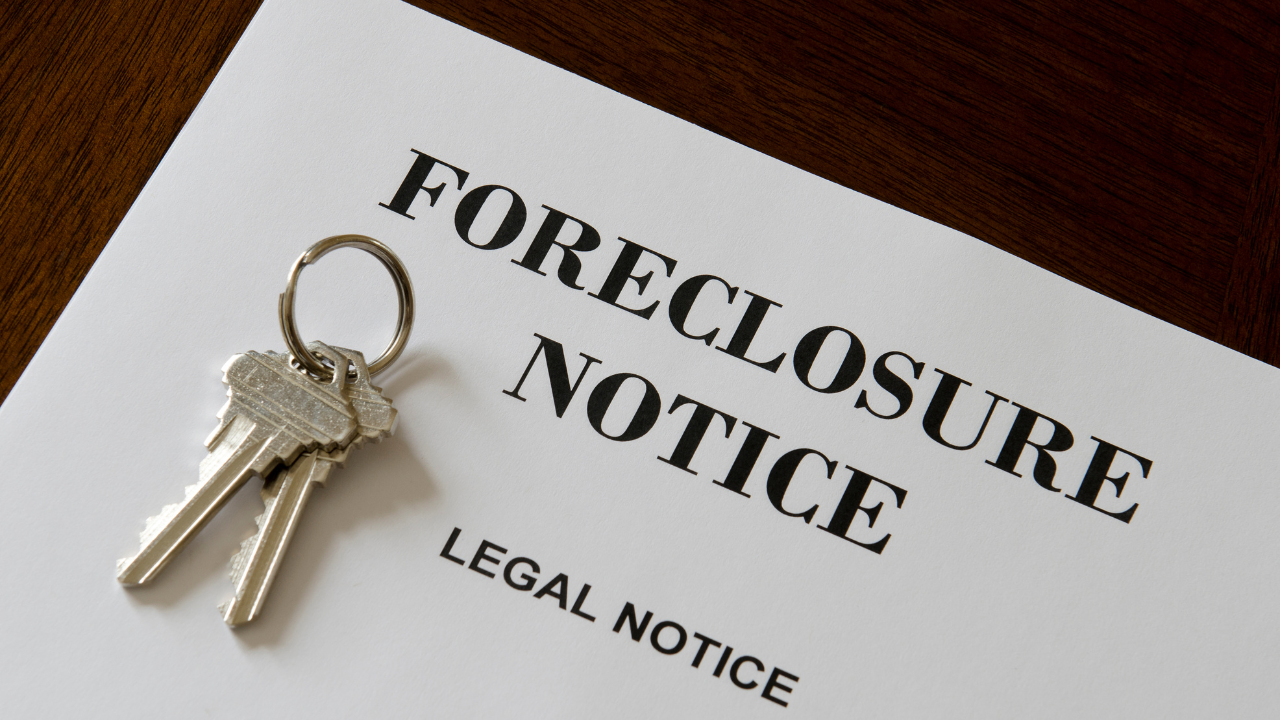
Problems arise when debt collectors use foreclosure language as a pressure tactic in connection with unsecured consumer debts. Suggesting that a consumer’s home is “at risk” or that a debt could “lead to foreclosure” in that context describes a legal action that cannot be taken.
As with other legal threats, foreclosure may only be raised when it is lawful and genuinely intended. Threatening foreclosure outside of those limits may violate the FDCPA.
Take Action
Debt collectors cannot threaten legal action they are not allowed to take or do not actually intend to take. When collectors use arrest, lawsuit, or garnishment language to scare consumers without a lawful basis, those threats may violate the FDCPA.
Consumers who bring a successful FDCPA claim may be entitled to up to $1,000 in statutory damages, as well as actual damages, which can include emotional distress. In many cases, the law also allows recovery of attorney’s fees, meaning there is often no out-of-pocket cost to pursue a claim.
If a debt collector threatened you with legal action and something did not seem right, contact our office today. Tell us what happened and we can discuss whether you may have legal options under the FDCPA.