Can Someone Run a Background Check Without My Permission?
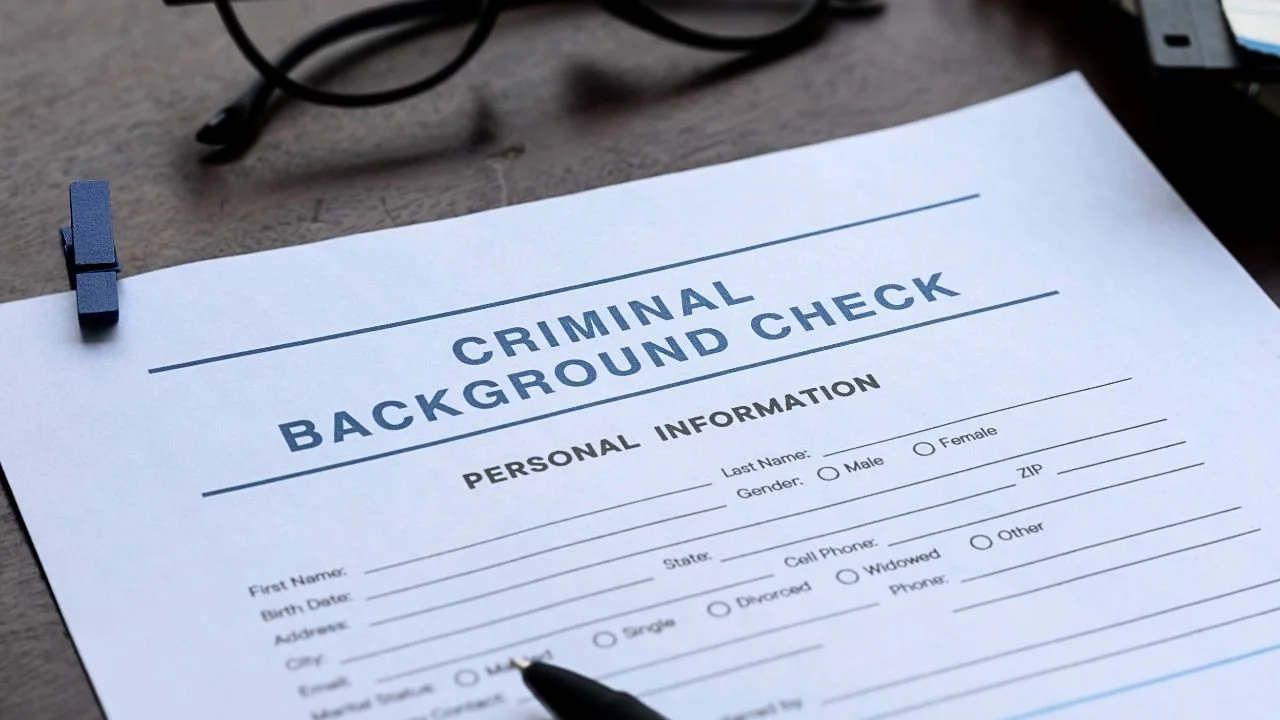
Background checks are regulated by federal law, and organizations cannot simply pull one on you whenever they feel like it. In most situations, including employment screening, you have the right to know a background check is coming and to give written permission before it is run.
When those steps are skipped or ignored, it may violate federal law. In this article, I’ll explain the rules that apply before a background check is run and what rights you may have if those rules weren’t followed.
Can someone run a background check without my permission?
No. In most situations, a background check cannot be run without your permission.
Under the Fair Credit Reporting Act, or FCRA, companies must follow specific rules before obtaining a background report for decisions that affect you.
First, you have the right to know that a background check is going to be conducted. The company ordering the check must clearly disclose that they plan to obtain a background report on you.
Second, you must give written permission before the background check is run. This authorization cannot be buried in fine print or combined with unrelated paperwork. It must be clear and separate.
If these steps are skipped, the background check may violate the FCRA.
Can an employer conduct a background check without consent?
In most cases, no. The steps identified above are especially important in the employment context since background checks are common in the application process.
Under the FCRA, an employer must give you a clear, standalone disclosure that a background check will be conducted and obtain your written authorization before ordering the report. This disclosure cannot be buried in an application or combined with other notices. If an employer skips this step and runs the background check anyway, that alone can violate the FCRA.
Employers also have additional obligations when a background check may affect a hiring decision. If an employer plans to rely on a background report to deny a job or take other negative action, they must provide you with a copy of the report and a summary of your rights before making that decision.
Even when an employer properly obtains your consent, the information in the background check still has to be accurate. That’s why it’s critical to review the background check report carefully and make sure there is no wrong information that could affect a hiring decision.
How much can you sue a company for doing a background check without consent?
If a company runs a background check without getting your written consent, you may be able to recover damages under the FCRA.
In a successful case, consumers may be entitled to actual damages, which can include financial losses or emotional distress caused by the unlawful background check. In cases involving willful violations, the FCRA also allows for statutory damages of up to $1,000, as well as punitive damages, depending on the facts.
Many consent violations only come to light after an employer takes adverse action. If you were denied a job because of a background check, the way the report was obtained can be just as important as what it contained.
Can a lawyer run a background check without permission?
Background checks most commonly come up in the employment context, but they are not limited to job applications. Background checks are also used in housing decisions, business relationships, licensing, and other situations where someone is being evaluated for eligibility or trust.
In some of these situations, a lawyer may be involved. For example, a lawyer might assist an employer, landlord, or business in screening applicants, hiring contractors, or evaluating potential risks. That involvement does not change the rules.
Lawyers and the entities they work for are subject to the same rules as employers when background checks are obtained for decision-making purposes. They must provide clear disclosure that a background check will be conducted, obtain written authorization from the consumer, and comply with any required notice obligations before taking adverse action.
In short, background checks are regulated based on how they are obtained and used, not on whether a lawyer, employer, or other third party is involved. Having a lawyer in the process does not eliminate the need for consent.
Take Action
Companies are generally not allowed to run background checks on you without your written consent. When they do, it may give rise to a legal claim under the FCRA. If you believe a background check was run on you without your consent, you can reach out to my office to discuss your options. I will review your situation and help you determine what the appropriate next step may be.