Wrong Information on a Background Check: How and Why It Happens
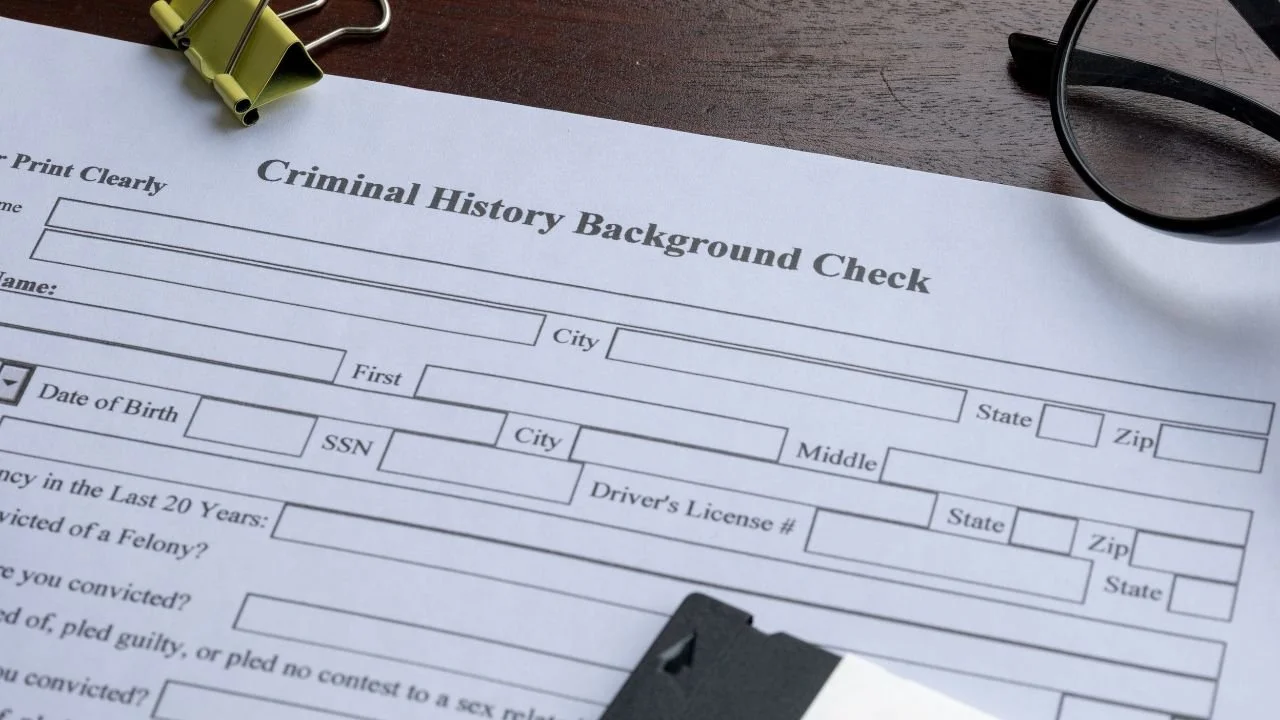
If a potential employer runs a background check on you, it’s reasonable to expect the information in that report to be accurate. Unfortunately, that is not always the case.
Background check companies, like any other data-driven industry, can make mistakes. And when they do, those errors can affect hiring decisions. This article explains how and why inaccurate information appears on background checks, and what to do if it happens to you.
What Causes Wrong Information on Background Checks
Wrong information on a background check usually comes from how records are collected, matched, and updated rather than from anything the applicant did wrong. Background check companies rely on large volumes of data pulled from multiple sources, and errors can occur at several points in that process.
One common cause is identity mismatching. When records are linked to similar names, dates of birth, or other identifiers, information belonging to one person can be attributed to another. This type of data mixing is especially common with popular last names and similar personal details.
Another frequent issue involves outdated or incomplete court records. Charges may appear without final dispositions, dismissed cases may still show as open, or old information may remain in a report long after it should have been updated.
Errors can also arise from how information is classified. A charge may be listed under the wrong category, or a civil matter may appear in a way that suggests criminal activity. When information is pulled from multiple sources, conflicts are not always resolved, which can leave inaccurate information on a background check.
Are Background Checks Accurate
In general, background checks are usually accurate. Most reports correctly identify the applicant and reflect legitimate records. For many people, the process works as expected.
The problem is scale. Background checks are run millions of times each year, and even a small error rate can affect a large number of consumers. When a report contains incorrect or incomplete information, the consequences can be significant for the individual involved.
Accuracy also depends on the type of record being reported and how recently it was updated. Information pulled from multiple sources, older court systems, or different jurisdictions is more likely to contain gaps or inconsistencies.
What to Do If a Background Check Is Wrong
If a background check contains inaccurate information, you should not simply accept it. Federal law gives you the right to challenge background check errors and request that incorrect information be corrected.
Background check companies generally do not fix mistakes on their own. In most cases, inaccurate information will remain on your report unless you send a dispute to the background check company, which is what triggers a review and correction of the report.
When to Get Help
Some background check errors are easy to resolve. Others involve repeated mistakes, mixed records, or information that continues to affect job or housing opportunities even after it has been challenged.
If you’re dealing with inaccurate background check information and want help understanding your options, you can contact my office to discuss your situation and possible next steps.