How to Dispute Wrong Information on a Background Check
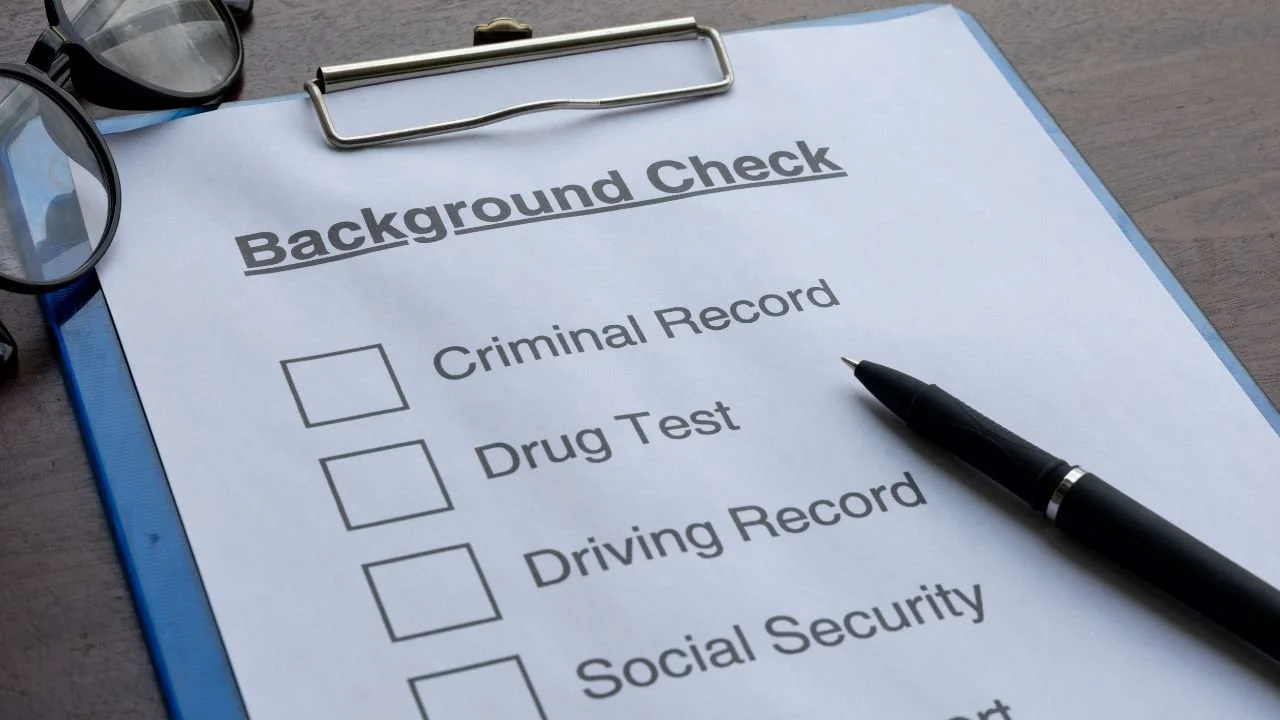
If a background check recently came back with inaccurate information about you, it’s important to know that you have options.
Most people don’t realize this, but background checks, especially those used in employment decisions, are often wrong. The companies that prepare these reports collect data on millions of people, and even a small error rate can affect a large number of individuals.
Those mistakes can have real consequences. A delayed hiring decision. A withdrawn job offer. Or a rejection with little explanation. When automated systems get things wrong, the impact isn’t theoretical. It’s personal.
The good news is that federal law gives consumers meaningful protections when background check information is inaccurate. Employers and background check companies have responsibilities, and errors are not something you simply have to accept. This article explains how to dispute wrong information on a background check and what you can do to correct it.
What Happens If there is a Discrepancy on a Background Check
In practice, nothing happens automatically when a background check contains a discrepancy.
Employers generally assume the information in a background check is accurate. They do not investigate court records or verify whether a report contains errors unless the issue is brought to their attention. If something is wrong, the employer often won’t know.
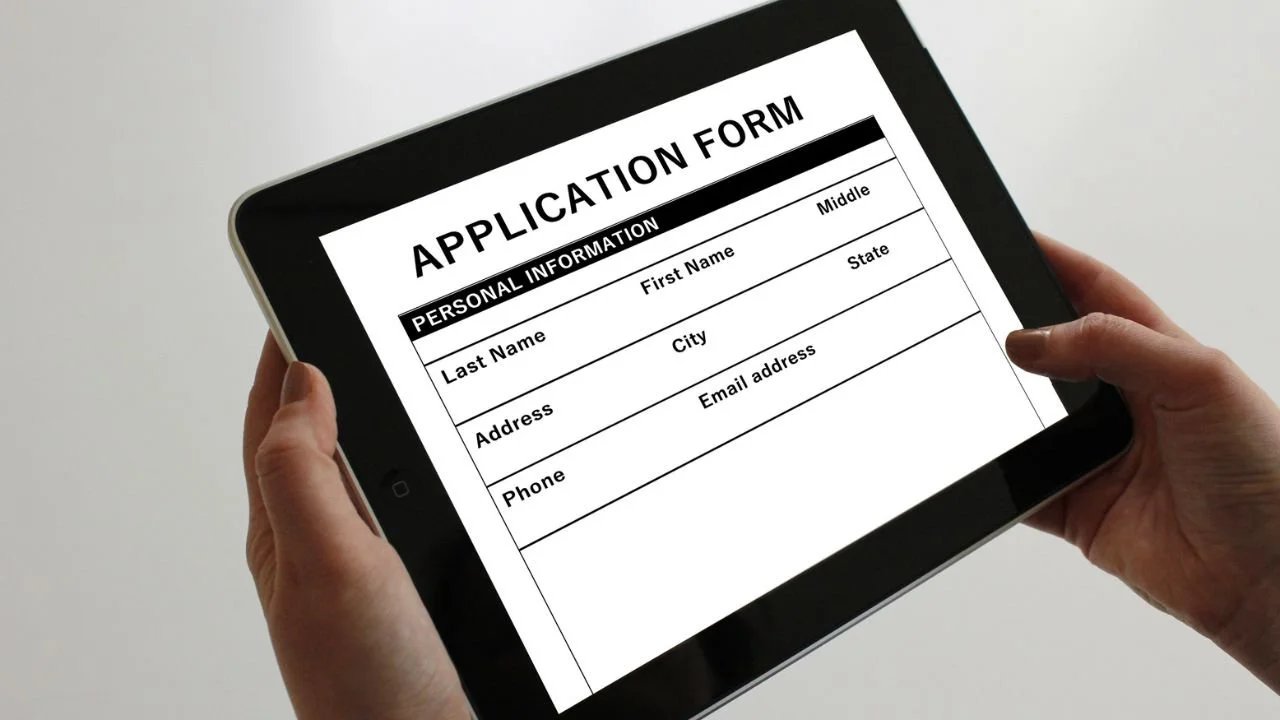
That means the responsibility usually falls on the applicant to take action. Before a final decision is made, there are two important steps to focus on.
First, make sure you receive a copy of the full background check report. If a background check is being used in an employment decision, you are entitled to see the report and understand exactly what the employer is relying on. Second, if the report contains inaccurate or incomplete information, dispute it directly with the background check company that prepared the report.
How to Dispute Wrong Information on a Background Check
The dispute process is handled through the background check company, not the employer. The first step is to identify the background check company that prepared the report. Their name and contact information should appear on the report itself. This is where you will send your dispute.

When disputing the information, be specific. Clearly identify what is incorrect and why. If you have supporting documents, such as court records or dismissal paperwork, include them with your dispute.
Many people choose to submit disputes in writing so they can keep a clear record of what was sent and when. Once the background check company receives the dispute, it generally has up to 30 days to review the information and complete its investigation. After that review is finished, the company must notify you of the results.
If the inaccurate information is corrected or removed, that is an important step forward. However, employers do not automatically receive updated reports. In many cases, the background check company will only send a corrected report to the employer if the consumer requests it. It can also be helpful to follow up directly with the employer to make sure the updated information is considered.
If inaccurate information remains after a dispute, or if the background check company never provides the results of its investigation, it may be time to escalate.
How to Fix Background Check Errors Using the Law
The Fair Credit Reporting Act, or FCRA, requires companies that compile background check reports to follow reasonable procedures to assure maximum possible accuracy.
In practice, that means having systems in place to collect accurate data and to correct or remove inaccurate information once it is disputed. When a background check company fails to do that, it may be violating the FCRA.
If an error on your background check cost you a job opportunity or caused a delay in the hiring process, you may have a legal claim under the FCRA . In some cases, pursuing a legal claim can create leverage to address ongoing reporting problems and hold the reporting company accountable for the harm caused.
Take Action
If your background check contains inaccurate information, don’t assume it will fix itself. Review the report, dispute any errors, and act quickly.
If the problem isn’t corrected or the process breaks down, you may have legal options. If you want help evaluating your situation or understanding next steps, you can contact my office to discuss whether further action makes sense.