Mixed Credit Report: What It Is, How to Fix It, and When to Take Legal Action
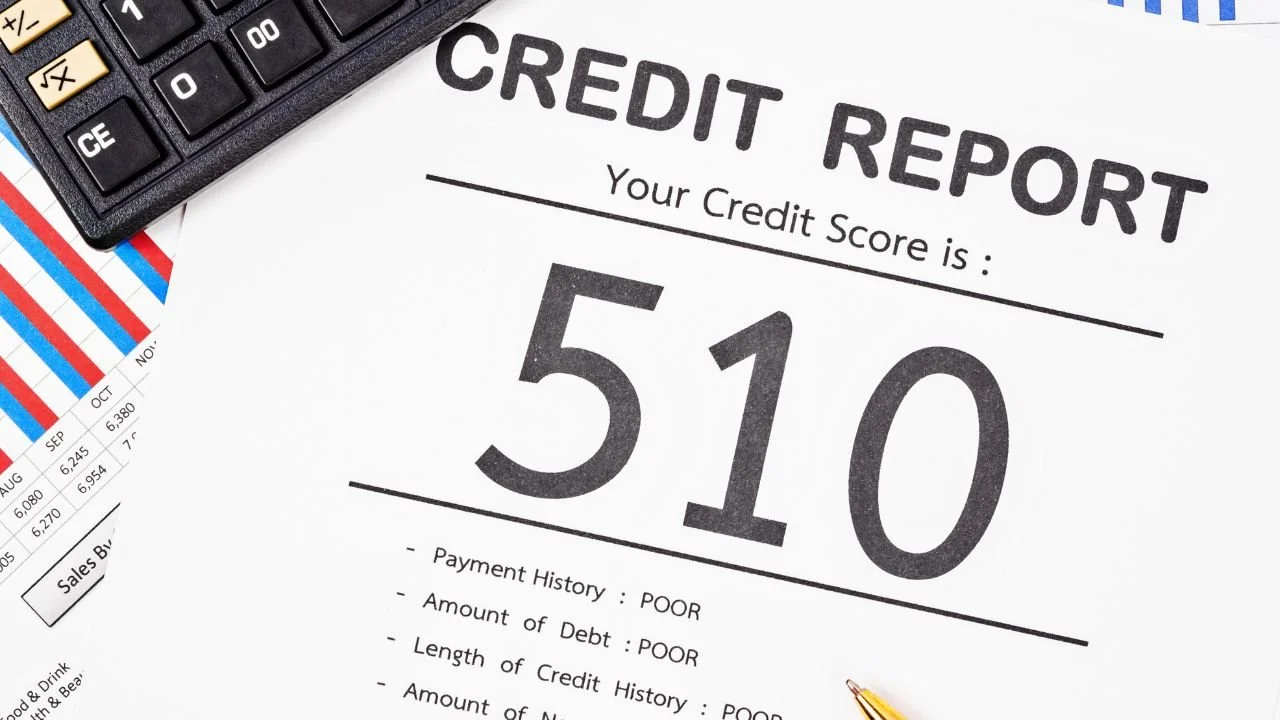
If you recently pulled your credit report and noticed accounts or credit history that do not belong to you, you may be dealing with a mixed credit report, sometimes called a mixed credit file.
A mixed credit report occurs when a credit reporting agency combines or misattributes data from two different consumers into a single credit file, often because of similar names or overlapping personal information.
This article explains what a mixed credit report is, how to correct it through the dispute process, and when a mixed credit file can cross from frustrating to legally actionable under federal law.
What Is a Mixed Credit Report?
A mixed credit report happens when a credit reporting agency includes information from more than one consumer in a single credit file. In other words, part of the credit history on the report belongs to someone else.
You may also see this referred to as a mixed credit file. The terms are often used interchangeably. Both describe the same problem: your credit report is contaminated with data that does not belong to you.
This usually happens because credit reporting agencies use automated systems to match consumer information. When two people share similar names, past addresses, or other identifying details, the system can mistakenly connect their files. Once that happens, information from one person can start showing up on the other person’s credit report.
How to Correct a Mixed Credit Report
The first step in addressing a mixed credit report, or any inaccuracy on your credit report, is to submit a dispute to the credit reporting agency reporting the incorrect information.
In your dispute, it is important to clearly identify each category of information that is wrong. Supporting documentation can help. When I submit disputes on behalf of clients, I include printouts or screenshots showing the specific accounts or information that do not belong to them.
In mixed credit file situations, it can also help to provide proof of your identity. Information that confirms who you are and where you have lived can make it easier for the credit bureau to see that the information being disputed belongs to someone else.
After submitting a dispute, pay close attention to the response. If the credit reporting agency corrects the issue and separates the files, the problem may be resolved. If the response simply states that the information was “verified” without addressing the identity mismatch, that is often a sign the mixed credit file issue was not actually fixed and may warrant further action.
When to File a Mixed Credit Report Lawsuit
The Fair Credit Reporting Act, or FCRA, is the federal law that governs how credit reporting agencies collect, report, and correct consumer credit information. In general, the law allows consumers to sue credit bureaus when they fail to correct inaccurate information after being notified of the problem.
That notice requirement matters. In most mixed credit report cases, a dispute is what triggers the credit bureau’s legal duties. After receiving a dispute, the credit reporting agency is required to conduct an investigation and either verify that the disputed information belongs to the consumer or remove it if it determines that it belongs to someone else.
If the credit reporting agency does not fix the problem after receiving a dispute, that failure can violate the FCRA. In that situation, a consumer may have the right to file a lawsuit against the credit reporting agency for failing to correct the mistake on their credit report.
Depending on the circumstances, consumers may be able to recover monetary damages, including compensation for actual harm caused by inaccurate reporting. The FCRA also allows courts to award attorney’s fees when a company violates the law, which can make it more practical for consumers to pursue claims in appropriate cases.

Mixed Credit Files by Credit Bureau
When you dispute a mixed credit report, it is important to send the dispute to the correct credit reporting agency. Each credit bureau maintains its own credit file, which means an error may appear on one report but not another. In many cases, mixed credit file issues affect more than one bureau, so disputes may need to be submitted to multiple agencies.
How you submit the dispute matters too. While online disputes are common, disputing by mail using certified mail is often the better option for mixed credit file cases. Mailing the dispute gives you a clear record of what was sent, when it was sent, and when it was received. That paper trail can be important if the credit reporting agency later claims it did not receive your dispute.
Below are the mailing addresses commonly used to dispute mixed credit reports with each major credit reporting agency.
Disputing an Experian Mixed File
To dispute a mixed credit report with Experian, send a dispute letter, along with supporting documentation and personal identifying information, to:
Experian
P.O. Box 4500
Allen, TX 75013
Disputing an Equifax Mixed File
To dispute a mixed credit report with Equifax, send a dispute letter, along with supporting documentation and personal identifying information, to:
Equifax Information Services, LLC
P.O. Box 740256
Atlanta, GA 30374
Disputing a TransUnion Mixed File
To dispute a mixed credit report with TransUnion, send a dispute letter, along with supporting documentation and personal identifying information, to:
TransUnion Consumer Solutions
P.O. Box 2000
Chester, PA 19016
Take Action
If you are dealing with a mixed credit report, you do not have to handle it on your own. These issues can affect loans, housing, and employment, and often require more than a routine dispute to fix properly.
Contact Reznik Consumer Law to discuss your situation. I handle cases involving mixed credit reports and other credit reporting errors and can help you understand your rights and options under federal law.